
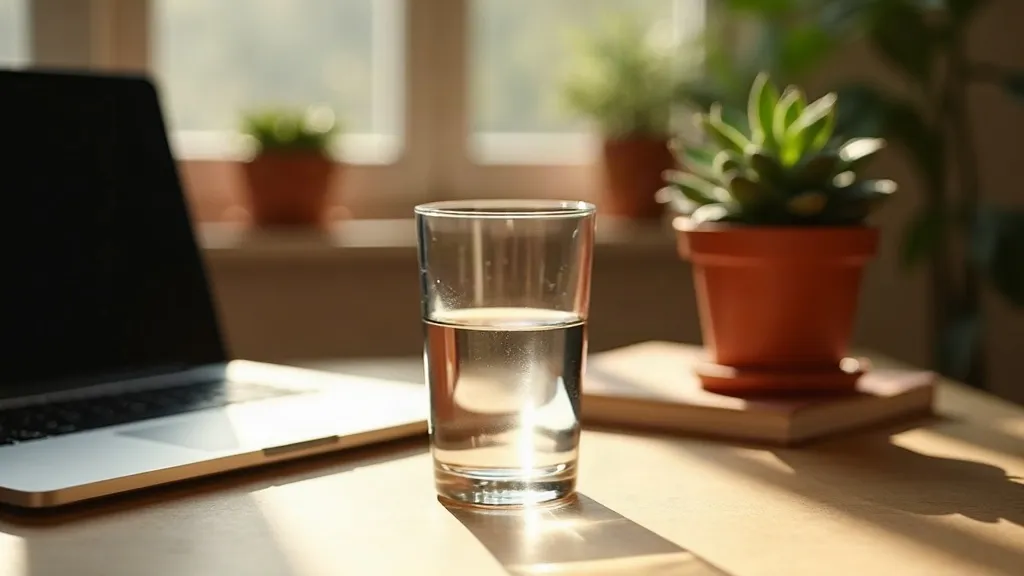
Most of us wait until we're thirsty to reach for a glass of water. The catch? Thirst is a lagging indicator — by the time you feel it, you're already mildly dehydrated. Your body sends out plenty of quieter signals long before your mouth goes dry. Here are nine signs worth watching for, and what to do about them. If several of these stick around even after you start drinking more, it's worth checking in with your doctor to rule out anything else.
1. A dry, sticky mouth
This is the classic one. When saliva production slows down, your mouth feels tacky and uncomfortable. Dry mouth can have other causes — certain medications, alcohol the night before, or a salty meal — but if it's a regular visitor, your fluid intake is the first thing to look at.
2. Headaches that come out of nowhere
Mild dehydration can trigger headaches or make existing ones worse. Your brain sits in a cushion of fluid, and when you're low on water, that cushioning takes a hit. Before you reach for a painkiller, try a tall glass of water and give it 30 minutes.
3. Dark urine (or barely any urine at all)
Your bathroom habits are a built-in hydration meter. Pale, straw-colored urine usually means you're doing fine. Dark yellow or amber — or long stretches where you don't need to go at all — is your body's way of saying it's conserving every drop it can.
4. That mid-afternoon slump
Feeling foggy and drained by 3 p.m.? Before blaming your lunch or another late night, consider that even mild dehydration can sap your energy and make ordinary tasks feel harder. Many people find their "afternoon crash" improves noticeably once they sip water steadily through the day instead of gulping it at mealtimes.
5. Feeling dizzy when you stand up
When you're low on fluids, your blood volume can drop slightly, which may cause a brief wave of lightheadedness when you stand up quickly. Occasional dizziness is common, but if it keeps happening — especially alongside a racing heart — talk to your doctor.
6. Dry, less elastic skin
Well-hydrated skin bounces back when you pinch it. Dry, dull skin that feels tight even after moisturizing may simply be thirsty from the inside. Creams help the surface, but water intake is what supports skin from underneath.
7. Constipation
Water keeps things moving. Your colon pulls fluid from waste to keep your body hydrated, so the less you drink, the harder and slower things get. According to the National Institutes of Health, inadequate fluid intake is a common contributor to occasional constipation — and it's one of the easiest factors to fix.
8. Sugar cravings you can't explain
Hunger and thirst signals are surprisingly easy to confuse — both are processed in the same part of the brain. If you just ate and you're suddenly craving something sweet, try water first and wait 15 minutes. Odds are decent the "craving" fades. (And if sugar is your main hydration source, that's its own problem — see our piece on drinking too much soda.)
9. Trouble concentrating
Research published in nutrition journals has linked even mild dehydration — a loss of just 1–2% of body water — to dips in attention, short-term memory, and mood. If you keep re-reading the same sentence or losing your train of thought, your water bottle may deserve some of the blame.
What to do about it
The National Academies suggest roughly 11.5 cups of total water a day for women and 15.5 for men — that includes water from food and other drinks, so it's less intimidating than it sounds. A few habits that actually work:
- Start the day with a full glass of water before your coffee.
- Keep a bottle visible on your desk — out of sight really is out of mind.
- Eat your water: cucumbers, watermelon, oranges, and soup all count.
- Check your urine once a day; pale yellow is the goal.
- Drink more when it's hot, when you exercise, and when you're sick.
One more thing: none of this helps if the water itself is the problem. If your tap water tastes or smells off, it's worth reading about possible water contamination before assuming you just need to drink more. And if plain water bores you, there are plenty of healthy drink options that hydrate without the sugar bomb.
FAQ
Can coffee and tea count toward my daily water intake?
Yes. Despite the old myth, moderate caffeine intake isn't meaningfully dehydrating. Coffee and tea still contribute fluid to your day — water is just the cleaner default.
Can you drink too much water?
It's rare, but possible. Flooding your system with extreme amounts in a short window can dilute sodium levels (a condition called hyponatremia). Drinking to thirst and spreading intake through the day is the safe approach for most healthy people.
Do I really need eight glasses a day?
The "8×8 rule" is a handy memory trick, not a medical requirement. Your needs shift with your size, activity, climate, and diet. Your urine color is a more personal gauge than any fixed number.
When should I see a doctor about dehydration symptoms?
If symptoms like dizziness, dark urine, confusion, or a rapid heartbeat persist despite drinking more — or if you can't keep fluids down — don't wait it out. Those can be signs of something more serious, and a healthcare professional should take a look.