
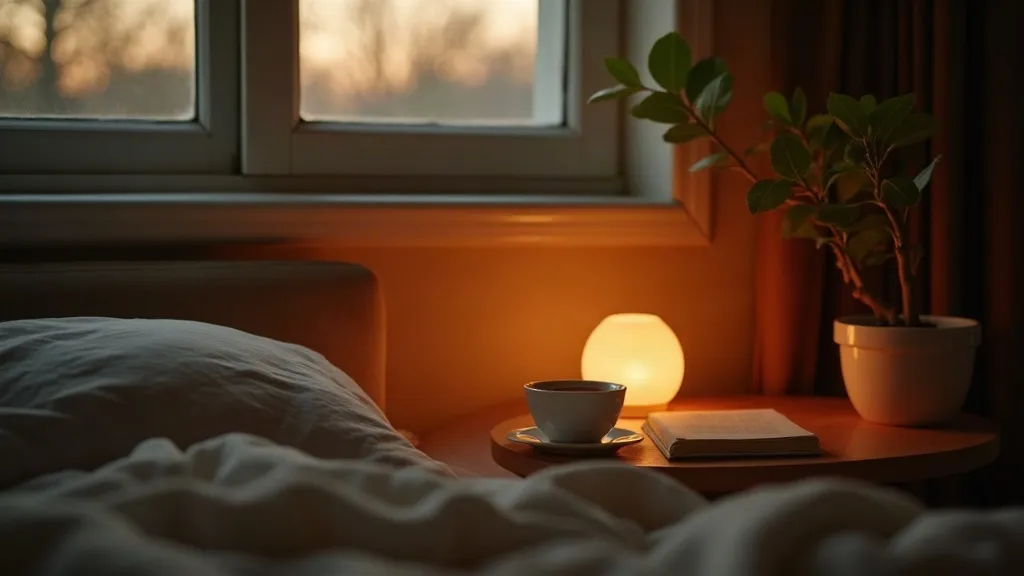
Bedtime is supposed to be the off switch — a stretch of quiet that lets your mind unwind and your body repair itself. Yet millions of adults struggle to fall asleep or stay asleep, and the culprit is often not stress or a bad mattress. It's what happens in the last hour or two of the day. According to the CDC, roughly one in three adults doesn't get the recommended seven hours of sleep, and poor evening habits are a big part of the story. Here are 10 things to steer clear of before you turn in.
1. Drinking coffee (or anything caffeinated)
With every sip of coffee, your heart rate rises, your blood vessels constrict, and your mind starts racing — the exact opposite of what you need at bedtime. Caffeine has a half-life of around five hours, so even a late-afternoon cup can still be circulating when you lie down. If you're sensitive to caffeine, cut it off by early afternoon. And watch the sneaky sources: colas, energy drinks, and even chocolate can deliver enough caffeine to keep you up. If soda is your evening ritual, it may be worth reading about the telltale signs you're overdoing it on soda.
2. Eating a big, heavy meal
A loaded plate right before bed forces your digestive system to work overtime exactly when it should be winding down. Lying flat on a full stomach also makes acid reflux far more likely, which is why so many people wake up with heartburn at 2 a.m. Finish dinner at least two to three hours before bed, and keep late snacks small and simple.
3. Reaching for the wrong late-night snacks
Even a light snack can backfire if it's greasy, spicy, or sugary — these can trigger reflux, blood sugar swings, and restless sleep. Some foods are especially notorious after dark; take a look at these common foods that are best avoided at night before raiding the fridge. If you genuinely need a bite, a banana, a small handful of nuts, or a little yogurt are gentler choices.
4. Scrolling your phone in bed
Phones and tablets emit blue light that suppresses melatonin, the hormone that tells your brain it's time to sleep. Research published in the journal PNAS found that evening screen use delays sleep onset and reduces next-morning alertness. Put screens away at least 30 minutes before bed, or switch to a real book.
5. Working or answering emails late
That "one quick email" is never just one. Work mode activates problem-solving circuits and raises stress hormones like cortisol, which is the enemy of sleep pressure. Set a firm cutoff time for work communication — and stick to it. Tomorrow's inbox will still be there tomorrow.
6. Intense exercise too close to bedtime
Regular exercise is one of the best things you can do for your sleep — but timing matters. A hard workout raises your core temperature, heart rate, and adrenaline, and your body needs a couple of hours to come back down. Swap the late-night HIIT session for gentle stretching, yoga, or a slow walk instead.
7. Drinking alcohol as a "nightcap"
A glass of wine may make you drowsy, but alcohol fragments the second half of your night, suppresses REM sleep, and often causes 3 a.m. wake-ups. You fall asleep faster but sleep worse — and you pay for it in grogginess the next day. If you enjoy an evening drink, have it earlier with dinner rather than right before bed.
8. Arguing or having heavy conversations
Unresolved conflict keeps your nervous system on high alert, and replaying an argument in your head is a classic recipe for staring at the ceiling. If a tense topic comes up late, agree to revisit it in the morning and let it go for the night. Your pillow is not the place to solve problems.
9. Leaving the lights bright
Your brain reads light as information. Bright overhead lighting in the evening — especially cool, bluish light — tells your internal clock it's still daytime, delaying melatonin release. Dim the lights after dinner, use warm lamps instead of ceiling fixtures, and keep the bedroom itself as dark as you can manage.
10. Going to bed at a different time every night
An irregular schedule confuses your circadian rhythm, the internal clock that governs when you feel sleepy and when you feel alert. According to the National Sleep Foundation, keeping consistent sleep and wake times — even on weekends — is one of the strongest predictors of good sleep quality. Pick a bedtime you can realistically keep and treat it like an appointment.
What to do tonight
- Set a caffeine cutoff (early afternoon) and an alcohol cutoff (with dinner, not after).
- Finish eating two to three hours before bed; keep any snack light.
- Dim the lights and put screens away 30–60 minutes before sleep.
- Keep a consistent bedtime, even on weekends.
- If you lie awake for more than 20 minutes, get up and do something calm in low light.
FAQ
How long before bed should I stop drinking coffee?
For most people, at least six hours. If you're sensitive to caffeine, stopping by early afternoon is safer — caffeine can linger in your system for eight hours or more.
Is it bad to sleep right after eating?
It can be. Lying down on a full stomach raises the risk of acid reflux and may disrupt sleep quality. Aim for a two-to-three-hour gap between your last meal and bedtime.
Does alcohol really ruin sleep that much?
It can. While alcohol helps some people fall asleep faster, it tends to fragment sleep in the second half of the night and reduces restorative REM sleep, so you wake up less refreshed.
When should I talk to a doctor about sleep problems?
If poor sleep lasts more than a few weeks despite good habits, or if you snore loudly, gasp at night, or feel exhausted most days, talk to your doctor. These can be signs of conditions like insomnia or sleep apnea that deserve proper evaluation.