
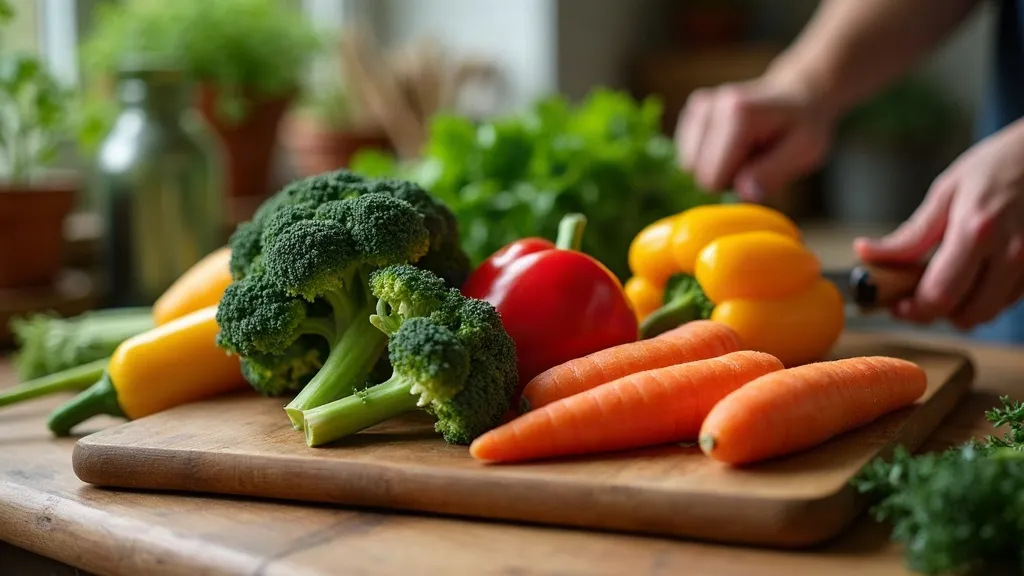
We all know we're supposed to eat our vegetables, but between busy workdays, takeout and the snack drawer calling your name, they often end up as an afterthought. The CDC estimates that only about one in ten American adults eats the recommended amount each day — so if you're falling short, you're in the majority. The good news: your body is pretty honest about it. Here are ten signs that may be telling you to load up your plate.
1. You feel bloated or uncomfortable after meals
Regularly dealing with stomach discomfort or a tight, bloated belly? You're probably not eating enough vegetables. There are plenty of reasons digestion can go sideways, but not eating the right food is the most common cause. Vegetables are one of the richest sources of fiber — the part of plant food your body can't break down, which keeps everything moving through your system. Without enough of it, digestion slows, gas builds up and that heavy, puffy feeling becomes your new normal.
2. You're constipated or irregular
Fiber is the broom that sweeps your digestive tract clean. Skimp on vegetables and bowel movements often become infrequent, hard or uncomfortable — and chronic constipation can even contribute to issues like hemorrhoids. Pairing more vegetables with proper hydration helps too, since not drinking enough water can make the problem worse.
3. You catch every cold going around
If you're the person who always seems to be fighting off a sniffle, your immune system may be underfed. Vegetables supply vitamin C, vitamin A, folate and antioxidants that help your immune cells do their job — and a diet consistently low in colorful produce can leave your defenses thinner than they should be.
4. Your skin looks dull, dry or breakout-prone
Skin is often the first place a poor diet shows up. The antioxidants in vegetables — beta-carotene in carrots, vitamin C in peppers and broccoli — help protect skin cells and support collagen production. When vegetables go missing, skin can lose its glow and take longer to bounce back from blemishes.
5. Your energy crashes in the afternoon
Vegetables contribute folate, magnesium, iron and B-vitamins — nutrients your body uses to turn food into usable energy. If you run on refined carbs and coffee, you may be riding a blood-sugar rollercoaster that fiber-rich vegetables would help smooth out. Persistent fatigue that doesn't improve with better food and sleep is worth mentioning to your doctor.
6. You bruise easily or cuts take forever to heal
Vitamin C is central to building collagen and repairing tissue, while vitamin K — abundant in leafy greens like kale and spinach — is essential for normal blood clotting. If small bumps leave big bruises or minor scrapes linger for weeks, low vegetable intake may be part of the picture. Bruising that appears suddenly or frequently should always be checked by a healthcare professional.
7. You crave sugar constantly
Intense sweet cravings often show up when meals lack fiber, protein and volume — exactly what vegetables provide. A plate of mostly refined starch digests fast, spikes your blood sugar and leaves you hunting for a snack an hour later. Filling half your plate with vegetables adds staying power, which is one reason high-fiber eating shows up among foods that support a healthy metabolism.
8. Your weight is creeping up despite "eating less"
It sounds backwards, but cutting food volume usually backfires. Vegetables let you eat a large, satisfying meal for relatively few calories, and research consistently links higher vegetable intake with healthier body weight. If you're restricting portions but still hungry all the time, the missing ingredient may not be willpower — it may be fiber.
9. You get muscle cramps or twitchy legs
Potassium and magnesium — two minerals vegetables are famous for — help your muscles contract and relax properly. Low intake can show up as cramps, twitches or restless legs, especially at night. Occasional cramps are common, but frequent or severe ones deserve a conversation with your doctor.
10. Your heart health numbers are heading the wrong way
This one is the most serious. Research published over the past decade — including a 2010 study linking low childhood vegetable intake with heart problems in adulthood — keeps pointing the same direction: the fewer vegetables you eat, the worse your cardiovascular outlook tends to be. The CDC and American Heart Association both emphasize vegetable-rich diets for blood pressure and heart health, so if you've been told your numbers are elevated, diet is a conversation worth having with your doctor.
What to do about it
You don't need a diet overhaul. Try these low-effort upgrades:
- Follow the half-plate rule. Fill half your plate with vegetables at lunch and dinner — the USDA's MyPlate guidance at its simplest.
- Front-load your day. Add spinach to eggs or blend greens into a smoothie before noon.
- Keep frozen vegetables on hand. Just as nutritious as fresh, cheap, and never wilted in the crisper drawer.
- Add, don't subtract. Instead of banning foods, add one vegetable to every meal you already eat.
- Snack on crunch. Carrots, cucumbers and snap peas replace chips easily, especially with hummus.
FAQ
How many vegetables should I eat per day?
Most guidelines, including the USDA's, suggest around 2 to 3 cups of vegetables daily for adults. In practice, filling half your plate with vegetables at two meals gets most people there.
Do frozen or canned vegetables count?
Yes. Frozen vegetables are picked and frozen at peak ripeness and retain their nutrients well. With canned options, look for low-sodium versions and rinse before use.
Can I just take a multivitamin instead?
A supplement can fill specific gaps, but it can't replicate the fiber, water and thousands of plant compounds in whole vegetables. Think of vitamins as backup, not a replacement.
When should I see a doctor about these symptoms?
If bloating, constipation, fatigue, easy bruising or cramps are severe, sudden or persist after improving your diet, talk to your doctor. These signs are commonly diet-related, but they can occasionally point to something that needs medical attention.