
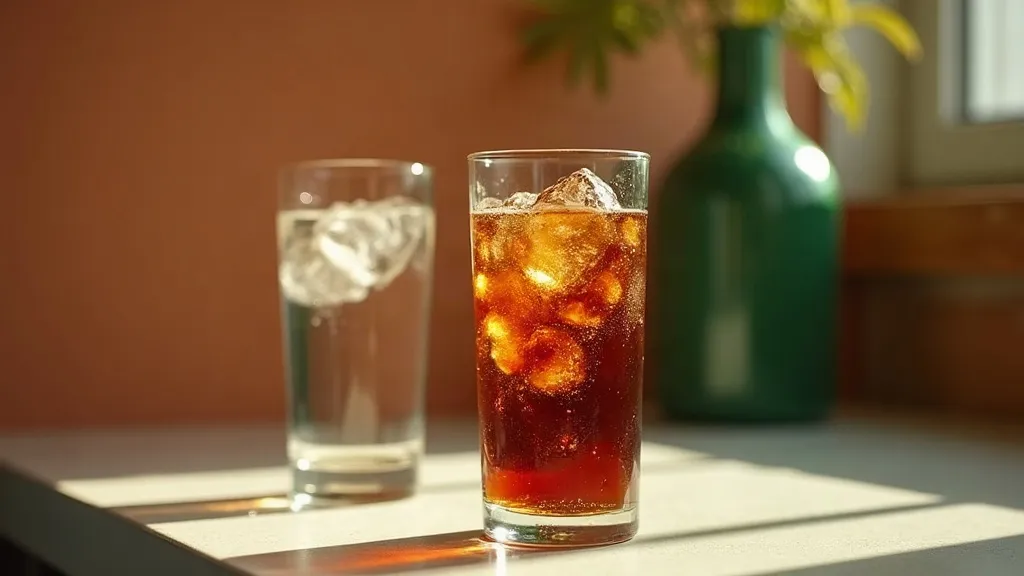
Love soda? Those fizzy drinks are not just packed with sugar — most are loaded with caffeine too. A can here and there is one thing. But when soda becomes your default drink, your body starts sending signals. Here are the 10 most common signs that you're drinking too much of it.
1. You're running to the bathroom constantly
Urinating several times within an hour is not normal. Caffeine is a diuretic — it tells your kidneys to push more fluid out, so your bladder empties more often than it should. Worse, losing that much fluid can quietly contribute to dehydration — ironic, considering you were drinking something. Wondering whether you're actually hydrated? Our guide on the signs you may not be drinking enough water is worth a look.
2. You crash hard in the afternoon
A can of cola can contain 35–40 grams of sugar. Your blood sugar spikes fast, insulin rushes in, and an hour or two later you feel foggy, sluggish, and oddly hungry again. If your energy peaks at lunch and bottoms out at 3 p.m., look at what's in your cup.
3. Your teeth feel sensitive or look dull
Soda attacks teeth from two directions: sugar feeds the bacteria that produce acid, and the drink itself is acidic — even the diet kind. According to the American Dental Association, frequent exposure to sugary, acidic drinks is a major driver of enamel erosion. If cold drinks suddenly sting, your soda habit may be showing up in your smile.
4. The scale keeps creeping up
Liquid calories are sneaky. They don't make you feel full the way food does, so a daily 20-ounce soda adds roughly 240 calories on top of everything else you eat — without you noticing. Research published in The American Journal of Clinical Nutrition has linked regular sugar-sweetened beverage intake with weight gain over time. Gaining weight and can't figure out why? Count the drinks before you blame the food. Swapping in some smarter everyday drinks can make a real difference.
5. You're always thirsty — even right after a soda
Soda is a poor hydrator. The caffeine pulls fluid out, the sugar makes your body work to process it, and the result is a drink that never quite quenches. If you finish a can and immediately want something else, your body wanted water all along.
6. You get headaches when you skip it
If a day without soda means a pounding head and a foul mood by noon, that's caffeine withdrawal — a sign your body has adapted to a daily dose. Missing your usual amount can trigger headaches, irritability, and trouble concentrating. That's not proof soda is harmless; it's proof of how hooked you are.
7. Your sleep has gone downhill
Caffeine has a half-life of about five to six hours, so a soda with dinner can still be circulating at midnight. If you fall asleep later, sleep lighter, or wake up unrefreshed — and you drink cola in the evening — the timing may be the problem. Poor sleep then feeds the cycle: you're tired, so you reach for another soda.
8. Your skin is acting up
High sugar intake promotes inflammation and spikes insulin, both of which may worsen acne. Some research links high-glycemic diets with more breakouts, particularly in adults. If your skin flared around the same time your soda habit did, cut back for a few weeks and watch what happens.
9. You feel bloated or gassy after meals
Carbonation means you're literally swallowing gas. Add sugar (or artificial sweeteners in diet versions, which some people digest poorly) and you have a recipe for bloating, burping, and digestive discomfort. If your stomach feels tight and noisy after lunch, the fizzy drink next to your plate is a prime suspect.
10. You crave something sweet after every meal
Sugar is habit-forming. Regularly flooding your taste buds with intense sweetness recalibrates what "normal" tastes like — fruit stops tasting sweet enough. If you can't end a meal without wanting dessert, your daily soda may be training that craving.
What to do about it
You don't have to quit cold turkey — most people do better tapering down:
- Cut one soda a day for a week, then another. Gradual cuts avoid the worst caffeine-withdrawal headaches.
- Swap, don't just stop. Sparkling water with a squeeze of lemon or lime gives you the fizz without the sugar load.
- Keep it out of the house. Willpower loses to convenience every time — make water the easy option.
- Watch the clock. Have any soda before mid-afternoon to protect your sleep.
- Read labels. "Healthy" drinks like sweetened iced tea can carry as much sugar as cola. Small, consistent changes — like the ideas in our piece on trimming calories without dieting — beat dramatic overhauls you abandon by Friday.
FAQ
Is diet soda a safe swap?
Diet soda removes the sugar and calories, but keeps the caffeine, the acidity (still rough on teeth), and possibly the sweet-tooth conditioning. It's a step down, not a free pass — water is still the better everyday choice.
How much soda is "too much"?
The American Heart Association suggests limiting added sugar to about 25 grams a day for women and 36 for men — and a single can of regular soda can exceed both. In practice, a daily habit is already "too much" for most people; an occasional one is unlikely to matter.
Can soda cause dehydration?
Soda isn't dehydrating in small amounts — it is, after all, mostly water. But caffeine's diuretic effect makes it a poor hydrator compared with plain water, especially if soda is replacing what you'd otherwise drink.
When should I talk to a doctor?
If you're experiencing persistent symptoms — unexplained weight changes, constant thirst that doesn't resolve, frequent urination, or ongoing fatigue — don't assume it's just soda. Excessive thirst and urination can be signs of blood sugar problems. Talk to your doctor to rule out anything more serious.