
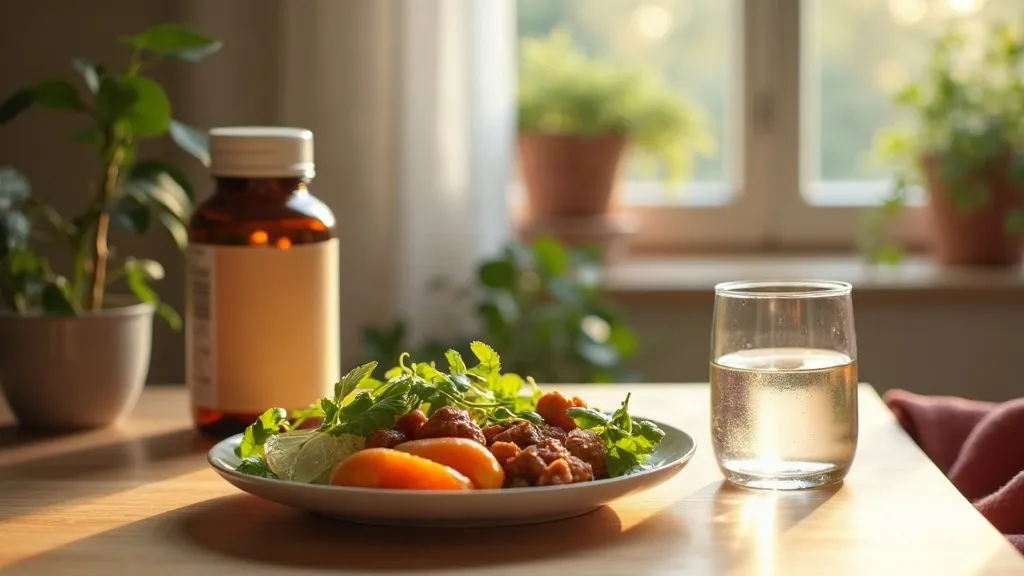
When you're eating for two, a little extra care at the grocery store goes a long way. Foods that are perfectly healthy for everyone else can carry hidden risks during pregnancy — from mercury and bacteria to caffeine overload. The good news: the watch-list is short, and the swaps are easy. Here are the ten foods worth avoiding until after your baby arrives.
1. Fish High in Mercury
Fish is a wonderful source of protein and omega-3s — but big predatory species like shark, swordfish, king mackerel, and large tuna carry a heavy mercury load. According to the FDA and EPA, mercury can affect a baby's developing brain and nervous system, and the risk builds up with regular exposure rather than a single meal. You don't have to give up seafood entirely: salmon, sardines, shrimp, and cod are considered safe in two to three servings a week — and they deliver exactly the omega-3s your baby needs.
2. Raw or Undercooked Fish and Sushi
Sushi, sashimi, ceviche, and raw oysters are off the menu for now. Raw seafood can harbor bacteria and parasites — including Listeria and Salmonella — that a pregnant immune system is less equipped to fight. Cooked rolls and thoroughly cooked shellfish are the safer way to satisfy the craving.
3. Raw or Runny Eggs
Homemade Caesar dressing, fresh mayonnaise, cookie dough, and softly poached eggs all share one risk: Salmonella. It rarely reaches the baby directly, but it can cause severe vomiting, dehydration, and fever in the mother — none of which you want during pregnancy. Choose pasteurized egg products and cook eggs until both white and yolk are firm.
4. Unpasteurized Milk and Soft Cheeses
Soft cheeses made from unpasteurized milk — think brie, camembert, feta, blue cheese, and queso fresco — can carry Listeria, a bacterium that crosses the placenta and can be genuinely dangerous for an unborn baby. The CDC notes that pregnant women are about ten times more likely to get listeriosis than other healthy adults. The fix is simple: look for "pasteurized" on the label, or pick hard cheeses like cheddar or Swiss.
5. Deli Meats and Cold Cuts
Turkey sandwiches and cold-cut platters are another classic Listeria risk — the bacteria can grow slowly even in the refrigerator, so chilling doesn't make deli meat safe. If you're craving a sandwich, heat the meat until it's steaming hot, or swap in a home-cooked filling like roasted chicken.
6. Raw Sprouts
Alfalfa, clover, radish, and mung bean sprouts grow in warm, humid conditions — exactly the environment bacteria love, and washing doesn't reliably remove contamination hiding inside the seed. Skip raw sprouts on salads and sandwiches for now; cooked sprouts (like in a stir-fry) are fine.
7. Unwashed Fruits and Vegetables
Produce is essential during pregnancy — fiber, folate, and vitamins all matter — but soil residue on unwashed fruits and vegetables can carry Toxoplasma and other harmful organisms. Rinse everything under running water and scrub firm produce like melons and cucumbers. And if you're not getting enough vegetables overall, that's worth fixing too — low veggie intake shows up in surprising ways, from sluggish digestion to low energy.
8. Liver and Excess Vitamin A
Liver is nutritious, but it's extraordinarily rich in preformed vitamin A — and too much of this form during pregnancy has been linked to birth defects, so doctors generally advise avoiding liver and liver-based products like pâté. Beta-carotene from carrots and sweet potatoes is a different story: your body converts only what it needs, so colorful vegetables stay on the menu.
9. Too Much Caffeine
You don't have to quit coffee cold turkey, but moderation matters. The American College of Obstetricians and Gynecologists suggests keeping caffeine under about 200 milligrams a day — roughly one 12-ounce cup of coffee. Remember that caffeine hides in tea, chocolate, energy drinks, and soda, which many of us drink more of than we realize. Higher caffeine intake has been associated with miscarriage and low birth weight, so count everything, not just the morning cup.
10. Alcohol
This one has no gray area: no amount of alcohol has been proven safe during pregnancy. According to the CDC, alcohol passes directly to the baby and can cause fetal alcohol spectrum disorders, affecting growth, learning, and behavior for life. If giving up a glass of wine feels hard, talk to your doctor — support is available.
What to Do
A few simple habits cover most of the risk:
- Cook meat, fish, and eggs all the way through, and reheat deli meats until steaming.
- Read labels for the word "pasteurized" on milk, cheese, and juice.
- Wash all produce, and keep raw and cooked foods separate in the kitchen.
- Swap high-mercury fish for salmon, sardines, or shrimp two to three times a week.
- Cap caffeine at about 200 mg a day and skip alcohol entirely.
- When you're unsure about a food, ask your doctor or midwife — and be cautious with everyday foods that can be risky when prepared the wrong way, pregnant or not.
FAQ
Can I ever eat sushi while pregnant?
Cooked sushi rolls — with tempura shrimp, cooked crab, or vegetables — are generally considered safe. Raw fish is what to avoid, since it can carry bacteria and parasites.
What if I accidentally ate something on this list?
Don't panic. A single serving of deli meat or a piece of high-mercury fish is unlikely to cause harm — the risk comes from repeated exposure. Mention it to your doctor at your next visit, and avoid the food going forward.
Is decaf coffee completely safe?
Decaf still contains a small amount of caffeine — usually under 15 mg per cup — so it fits comfortably within the daily limit. Herbal teas vary, so check with your provider; some herbs aren't recommended in pregnancy.
Should I take extra vitamins instead of worrying about food?
A prenatal vitamin is a great safety net, but it doesn't replace careful food choices — and no supplement can cancel out alcohol, mercury, or bacterial risks. Diet and supplements work together; talk to your doctor before adding anything new.