
Some foods in your kitchen right now are technically poisonous — but don't panic. Most natural toxins only cause trouble when a food is eaten raw, in huge amounts, or from the wrong part of the plant. Here are 8 common foods with hidden dangers, and how to keep your family safe.
1. Rhubarb
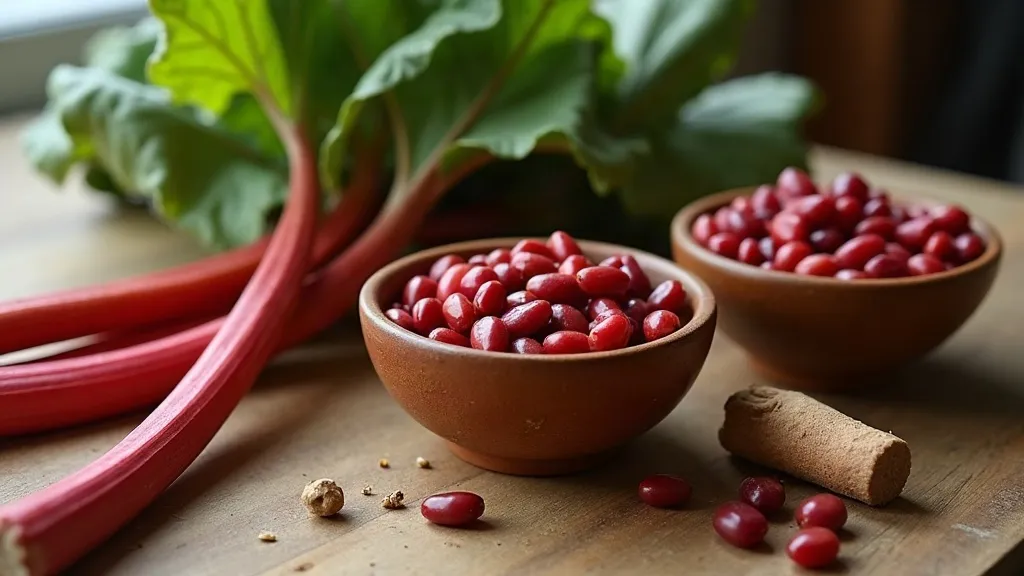
Rhubarb stalks make wonderful pies and jams, but the leaves are another story. They contain oxalic acid and anthraquinone glycosides, compounds that can irritate the mouth and throat and, in large quantities, may affect the kidneys. You'd need an improbable amount of leaves to get seriously sick — the stalks are the edible part, full stop. Grow your own? Trim and discard the leaves right away, and keep curious pets away from the plant.
2. Lima Beans
These pale green legumes show up in soups, pastas, and mixed vegetable blends, and they're not as innocent as they look. Raw lima beans contain linamarin, a compound the plant produces as a natural defense — and when digested, it can release cyanide. The good news: commercially grown lima beans in the US are regulated so cyanide levels stay low, and thorough cooking breaks the compound down. Boiled until soft, lima beans are perfectly fine — just never eat them raw.
3. Green Potatoes
A potato that has turned green — or sprouted heavily — is telling you something. The green tint signals the presence of solanine and chaconine, natural toxins the plant makes to defend itself. According to the FDA, eating high amounts of these glycoalkaloids can cause nausea, headaches, and neurological problems. Small green spots can be cut away generously, but a potato that's green throughout or tastes bitter belongs in the trash. Store potatoes in a cool, dark place.
4. Raw Kidney Beans
Red kidney beans carry one of the most concentrated food toxins around: phytohaemagglutinin, a lectin that can cause severe vomiting and diarrhea from as few as four or five raw or undercooked beans. The FDA warns that slow cookers are a particular hazard, as some never get hot enough to destroy the toxin. The safe routine is simple — soak dried beans, discard the soaking water, then boil hard for at least 10 minutes before simmering. Canned beans are pre-cooked and safe as-is.
5. Nutmeg
A pinch of nutmeg in your eggnog is harmless. A spoonful is not. Nutmeg contains myristicin, a compound that in large doses — think two or more tablespoons — can cause hallucinations, dizziness, a racing heart, and nausea lasting a day or more. Cooking doesn't fix this one, because the problem is the dose. Use nutmeg as the seasoning it is, and skip any internet dare involving eating it straight.
6. Apple Seeds and Cherry Pits
Apple seeds, along with the pits of cherries, peaches, plums, and apricots, contain amygdalin, which can release cyanide when chewed and digested. Context matters: the seeds have a hard coating, swallowing a few whole is harmless, and you'd need to crush and eat a huge quantity to reach a dangerous dose. Still, teach kids to spit out pits rather than crunch them — and don't blend whole stone fruits, pits and all, into smoothies.
7. "Raw" Cashews
The cashews labeled "raw" at the store aren't truly raw. Genuine raw cashews contain urushiol — the same irritating oil found in poison ivy — and can cause a nasty skin reaction or worse. What you buy has been steamed to remove the toxin, making it safe. The real risk is unprocessed cashews from informal sources while traveling, so stick with store-bought.
8. Elderberries
Elderberry syrup is a popular wellness staple, but the raw berries — and especially the leaves, twigs, and seeds — contain cyanogenic glycosides that can trigger nausea, vomiting, and diarrhea. Cooking destroys these compounds, so cook the berries thoroughly and strain out the seeds when making syrup or jam. And if you're pregnant, our guide to foods to be careful with during pregnancy covers extra precautions in detail.
What to Do
The pattern across all eight foods is reassuring: dose and preparation make the poison. A few habits cover almost everything:
- Cook beans thoroughly — a rolling boil, not just a warm slow cooker.
- Toss potatoes that are green throughout or taste bitter.
- Eat the right part of the plant: rhubarb stalks, not leaves; berry pulp, not pits and seeds.
- Treat potent spices like nutmeg as seasonings, not snacks.
- Buy foraged or tropical foods from regulated sellers, not roadside stands.
And remember the flip side: most whole foods are far safer than ultra-processed alternatives. If you're unsure your diet has enough of the good stuff, read up on the signs you might be skimping on vegetables — or, if late-night snacking is your weak spot, check which foods are best avoided before bed. And if you ever suspect actual food poisoning — severe vomiting, confusion, trouble breathing — seek medical care right away.
FAQ
Can cooking really make poisonous foods safe?
In many cases, yes. Heat destroys or reduces toxins like lectins in kidney beans, linamarin in lima beans, and cyanogenic compounds in elderberries. It doesn't fix everything — solanine in green potatoes survives cooking, which is why proper storage matters.
How many apple seeds would actually be dangerous?
Far more than you'd ever eat by accident — estimates suggest you'd need to chew hundreds of seeds to reach a harmful dose. Swallowing a few whole seeds is no cause for concern.
Are canned beans safer than dried beans?
Yes — they're already fully cooked at high temperature. Dried beans are equally safe as long as you soak and boil them properly; the risk only appears when they're undercooked.
What are the symptoms of food poisoning from natural toxins?
They vary by toxin but often include nausea, vomiting, stomach cramps, and diarrhea, sometimes with dizziness or a rapid heartbeat. Symptoms that are severe or don't improve quickly can be a sign of something serious — call your doctor or poison control.