
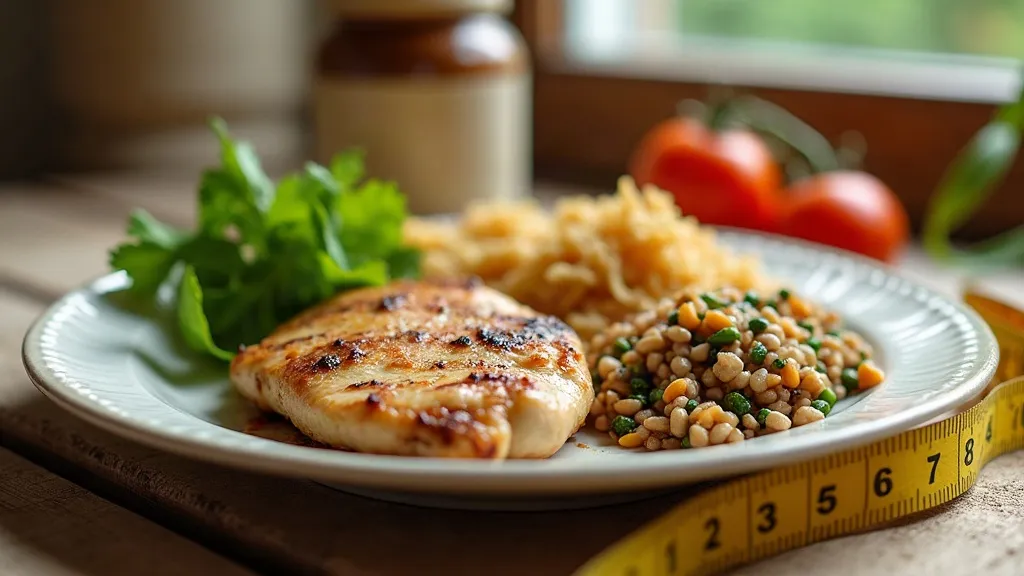
Cutting calories to lose weight and improve your health doesn't have to be hard. You don't need a punishing diet or a complete kitchen overhaul — with a few simple changes, you'll be surprised how easy it is to trim 500 calories a day, which adds up to roughly a pound a week for many people.
Why 500? A modest daily deficit like that is widely considered a sustainable pace. According to the CDC, gradual weight loss of about one to two pounds per week is more likely to stay off than rapid loss from crash diets. Here's how to get there without feeling deprived.
1. Read the label before you pour
If your goal is better health, a large share of your diet should come from fresh fruits, vegetables, and other foods that don't even have labels. But packaged food is sometimes unavoidable — so when you reach for something in a box or bag, flip it over first. Check the serving size and compare it to what you actually eat. Cereal, crackers, and chips are notoriously easy to overindulge in, and a "single serving" is often half of what we'd normally scoop into a bowl.
What to do: Portion snacks into a bowl instead of eating from the package. That one habit alone can save 200–300 calories.
2. Rethink your drinks
Liquid calories are the sneakiest kind because they don't make you feel full. A 20-ounce soda runs about 240 calories, a fancy coffee drink can top 400, and even "healthy" juices add up fast. Swapping one sugary drink a day for water or unsweetened tea gets you most of the way to your goal. Curious how soda habits show up in your body? Read about the warning signs of drinking too much soda.
What to do: Replace one sweetened beverage per day. Craving flavor? Try water with lemon, cucumber, or frozen berries — or explore some drinks that may support weight loss.
3. Downsize your dishes
Research published in the journal Appetite and elsewhere has repeatedly shown that people eat more when they're served more — and larger plates make portions look smaller than they are. It's a visual trick your brain falls for every time.
What to do: Serve dinner on a salad plate and use smaller bowls for cereal and ice cream. You'll likely finish feeling just as satisfied, minus 100–200 calories.
4. Cook one more meal at home
Restaurant and takeout meals routinely pack 200–400 more calories than the same dish cooked at home, thanks to generous oil, butter, and oversized portions. You don't need to become a chef — even swapping one takeout dinner a day for a simple home-cooked plate makes a measurable dent.
What to do: Keep two or three 20-minute meals in rotation: a stir-fry, a sheet-pan chicken with vegetables, or a big salad with a lean protein.
5. Halve the extras, not the meal
Cheese, dressings, mayo, sour cream, and cooking oils are where calories hide. Two tablespoons of ranch dressing add about 145 calories; a tablespoon of olive oil, about 120. You don't have to eliminate them — just use half, or measure instead of pouring freely.
What to do: Ask for dressings and sauces on the side, dip your fork instead of pouring, and measure cooking oil with a teaspoon rather than eyeballing it.
6. Eat protein and fiber first
Protein and fiber are the nutrients most linked to satiety — the fullness that keeps you from grazing an hour later. Starting a meal with vegetables and a protein source naturally crowds out the calorie-dense parts of the plate. If your diet is light on produce, check the signs you're not eating enough vegetables — bloating and sluggish digestion are often the first clues.
What to do: Begin lunch and dinner with a salad or a serving of vegetables, and include eggs, Greek yogurt, beans, or lean meat at each meal.
7. Slow down and cut the screens
It takes roughly 20 minutes for your stomach to signal your brain that you're full. Eating quickly — or distracted in front of a TV or phone — makes it easy to blow past that signal. Studies on mindful eating suggest that slower, more attentive meals can reduce intake by a meaningful margin without any change in what's on the plate.
What to do: Put your fork down between bites, chew thoroughly, and keep meals screen-free at least a few times a week. And since late-night snacking is a common calorie trap, it helps to know which foods are best avoided before bed.
8. Plan tomorrow's food tonight
Most calorie blowouts aren't planned — they're the vending machine at 3 p.m. or the drive-through on the way home. A little preparation removes the decision-making when willpower is lowest.
What to do: Each evening, pack a lunch and two portioned snacks — nuts, fruit, yogurt, cut vegetables. When hunger hits, the good choice is already the easy choice.
FAQ
Is cutting 500 calories a day safe for everyone?
For most healthy adults, a modest deficit is considered safe, but needs vary by age, size, activity, and health conditions. Talk to your doctor before starting any weight-loss plan, especially if you're pregnant, managing a chronic condition, or taking medication.
Will I lose exactly a pound a week?
The old "3,500 calories equals a pound" rule is a rough estimate. Real results vary — metabolism adapts, and bodies differ. Think of 500 calories as a direction, not a guarantee.
Do I need to count every calorie?
Not necessarily. The swaps above work without meticulous tracking, though a week of logging can be eye-opening about where calories actually come from.
What if I still feel hungry?
Hunger often signals too little protein, fiber, or water rather than too few calories. Fill up on vegetables, lean proteins, and water first. Persistent hunger or fatigue may be a sign your deficit is too aggressive — check in with a healthcare professional if it continues.