
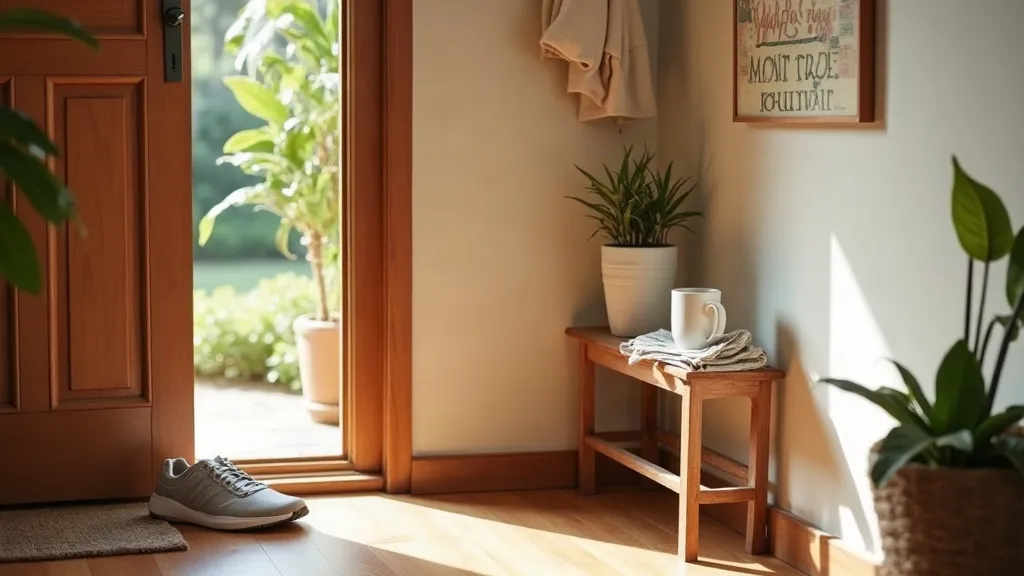
If your social feeds have recently filled with people “habit stacking” — linking a new behavior to an existing routine, like doing stretches while coffee brews — the underlying idea is older than the hashtag. Federal health agencies have recommended essentially the same approach for years, in plainer language.
The trend, minus the branding
The National Institute of Diabetes and Digestive and Kidney Diseases (NIDDK) advises people starting physical activity to begin slowly, choose activities they enjoy, and build activity into daily life — for example by tying movement to existing routines such as walking during a lunch break. The National Institute on Aging (NIA) gives similar guidance to older adults: start with activities you can already do, set realistic short-term goals, and make activity part of your regular day.
Strip the terminology and the pattern matches the trend: small actions, anchored to moments that already exist in your day, repeated until they stop requiring decisions.
Why the framing caught on
Behavior researchers have long noted that motivation is unreliable and environment is powerful — a theme our readers will recognize from our sleep guides, where the advice is to fix the routine rather than chase the symptom. Habit stacking is essentially that principle packaged for short-form video.
What the online version often adds is intensity: long morning checklists, elaborate tracking apps, all-or-nothing streaks. The agency guidance is notably more forgiving. Both NIDDK and NIA emphasize that some activity is better than none and that missing a day is not failure.
A sensible way to try it
Pick one anchor that already happens every day — morning coffee, lunch, an evening walk to the mailbox — and attach one small action to it: a glass of water, five minutes of stretching, a short walk. Keep it small enough that skipping it feels stranger than doing it.
As always, this note is informational. Anyone starting a new exercise routine after a period of inactivity or with a health condition should check with a healthcare professional first.